Your cart is currently empty!
Understanding the difference between cleaning, disinfecting, and sanitizing is crucial for maintaining a hygienic environment and preventing the spread of germs. While cleaning surfaces removes dirt and impurities, disinfection kills bacteria and viruses, and sanitization reduces harmful microbes to safe levels.
But when should you clean, disinfect, or sanitize? This guide outlines the key differences between each method, highlights best practices, and explains when to use them to safeguard your health and comply with public health regulations.
What is Cleaning?
Cleaning is the process of removing visible dirt, dust, debris, and organic matter—such as grease and grime—from surfaces using water, soap, or cleaning products. While cleaning significantly reduces the number of microbes on a surface, it does not necessarily kill harmful bacteria or viruses. However, by physically removing contaminants, cleaning helps limit the spread of germs.
Common cleaning methods involve the use of household cleaners, all-purpose solutions, and tools like cleaning cloths or mops. Regularly cleaning high-touch surfaces—such as kitchen counters, light switches, doorknobs, and touch screens—supports a hygienic environment and reduces the risk of everyday illnesses.
When to Clean
- Daily Cleaning of High-Touch Surfaces: Regularly clean light switches, touch screens, and computers to remove dirt and organic matter, reducing bacteria from surfaces using common cleaning equipment and all-purpose cleaner.
- When Visible Dirt is Present: Dirt on surfaces, such as floors or desks, should be cleaned using cleaning products to maintain a hygienic environment. Cleaning focus should be on areas with frequent human interaction.
- During Routine Housekeeping: Maintaining a cleaning schedule for high-traffic areas and workplace equipment prevents impurities from surfaces from building up and creating health risks.
Professional commercial cleaning services
What is Disinfecting?
Disinfecting is the process of destroying or inactivating microorganisms—including bacteria, viruses, and fungi—on hard, non-porous surfaces. It is achieved using Health Canada-approved disinfectants such as disinfectant sprays, wipes, or diluted chlorine bleach solutions. Approved products will display a Drug Identification Number (DIN) on the label, confirming they are authorized for use.
Unlike cleaning, which removes visible dirt and debris, disinfection kills harmful pathogens that can cause illness. For a disinfectant to be effective, the surface must remain visibly wet for the full contact time specified on the product label. Common active ingredients in disinfectants include quaternary ammonium compounds (quats), hydrogen peroxide, and alcohol-based solutions (typically 70% isopropyl alcohol or higher).
When to Disinfect
- After a Sick Person Has Been in Contact: Disinfect areas a sick person has touched to kill dangerous bacteria and reduce the spread of illness. Use Health Canada-approved disinfectants on high-touch surfaces.
- Following a Workplace Outbreak: If employees have been exposed to the flu or other contagious illnesses, it’s important to disinfect shared surfaces using quaternary ammonium compounds (quats) or disinfectant wipes. This helps reduce the risk of transmission and protects workers’ health.
- After Cleaning Public Spaces: Once cleaning is complete, disinfection should be carried out in public restrooms and communal areas using broad-spectrum disinfectants or diluted bleach solutions. This step ensures harmful bacteria and viruses are effectively killed on high-touch surfaces.
What is Sanitizing?
Sanitization is the process of reducing the number of bacteria on surfaces to levels considered safe by public health standards. Unlike disinfecting, which aims to kill nearly all microorganisms, sanitizing does not eliminate all microbial life, but significantly lowers the risk of illness by reducing bacteria to an acceptable level.
Sanitizing is especially important for high contact surfaces, such as countertops, cutting boards, dishes, and utensils. In everyday settings, this can be done using hot water and dish soap, followed by rinsing. In commercial or high-risk environments, Health Canada-approved sanitizers may be used. For surface sanitizers, look for products with a Drug Identification Number (DIN) to ensure they are authorized for use.
When to Sanitize
- After Shared Equipment Use: In a work setting, shared equipment like printers, computers, or tools can quickly transfer germs. Sanitizing these items after each use ensures that harmful bacteria or viruses are not passed between employees, reducing illness-related absences.
- In Child Care and Health Settings: Daily sanitizing of toys, play areas, and frequently touched surfaces is essential in child care environments. This helps protect young children, especially those with asthma or weakened immune systems, from preventable illnesses.
- On Hands After Handling Contaminated Items: Use alcohol-based hand sanitizer when soap and water are unavailable to prevent microbial life from spreading through touch.
How often should an office be cleaned? Your guide to workplace hygiene
Best Practices for Cleaning
Maintaining a proper cleaning routine is essential for a hygienic environment. Using the right cleaning products, ensuring proper ventilation, and following a structured cleaning schedule helps remove dirt and organic matter from surfaces, reducing the spread of germs in workplaces.
Use the Right Cleaning Products
Choose cleaning agents that are suitable for different surfaces to remove dirt and organic matter effectively. Avoid mixing bleach with ammonia, as this combination produces toxic ingredients that can cause harmful exposures, irritate airways in children, and pose serious risks to workers’ health.
Follow a Cleaning Routine
Establishing a cleaning schedule is crucial for maintaining a hygienic environment. Cleaning focus should be on high-touch areas such as light switches, shopping carts, and touch screens to prevent the spread of germs. A structured cleaning system ensures impurities from surfaces are regularly removed, supporting public health standards.
Ensure Proper Ventilation
Many cleaning products—such as ammonia-based cleaners and those containing vinegar—can release fumes that irritate the lungs and may trigger asthma attacks or other respiratory problems. To minimize chemical exposure and protect respiratory health, always clean in well-ventilated areas, especially when using strong or harsh cleaning agents.
Best Practices for Disinfecting
Disinfection is crucial for eliminating dangerous bacteria and preventing the spread of infection. Using superior cleaning products, allowing proper contact time, and wearing protective equipment ensures effective disinfection of high-touch surfaces, safeguarding public health and maintaining a business environment safe from harmful bacteria.
Clean Before Disinfecting
Always clean surfaces before disinfecting. Dirt, grease, and grime can prevent disinfectants from making direct contact with germs, reducing their effectiveness. Use a cleaner to remove debris, then apply the disinfectant to kill any remaining pathogens for optimal hygiene.
Allow Proper Contact Time
Disinfectant agents need to remain on surfaces for a specified period of time to eliminate dangerous bacteria. Common household disinfectants, such as bleach wipes and hydrogen peroxide solutions, require at least one minute of contact time to effectively kill microbial life and meet public health codes.
Wear Protective Equipment
Many disinfection products contain powerful chemicals that can cause irritation or harmful exposures. When using chemical disinfectants, wear eye protection and gloves to prevent chemical exposure. Disinfection service professionals recommend using quaternary ammonium compounds and broad-spectrum disinfectants with proper safety measures.
Contact our commercial cleaning professionals in Montreal
Best Practices for Sanitizing
Sanitizing reduces harmful bacteria in high-risk areas. Sanitizing daily in critical environments, and preventing cross-contamination helps uphold public health standards and minimize the risk of illness caused by bad germs and microbial life.
Use the Right Sanitizers
Always choose the correct sanitizer for the specific surface or object you’re cleaning. Different sanitizing agents work effectively on varying materials. Ensure that the sanitizer is approved, safe for use, and suitable for the purpose to avoid cross-contamination or damaging the items being sanitized.
Follow Proper Application Methods
Apply sanitizers evenly across the surface, ensuring full coverage for maximum effectiveness. Follow the recommended contact time specified on the product label. Rushing the process can lead to incomplete sanitization, reducing the effectiveness of the cleaning. Always allow the sanitizer to dry naturally when necessary.
Regularly Clean and Replace Tools
Ensure that tools like cleaning cloths or brushes used in the sanitization process are regularly cleaned or replaced. Reusing unclean tools can spread contaminants instead of removing them. This practice helps maintain the hygiene of the environment and prevents the accumulation of harmful microbes.
Commercial cleaning: What is it and why your business needs it
Should You Hire a Cleaning Company?
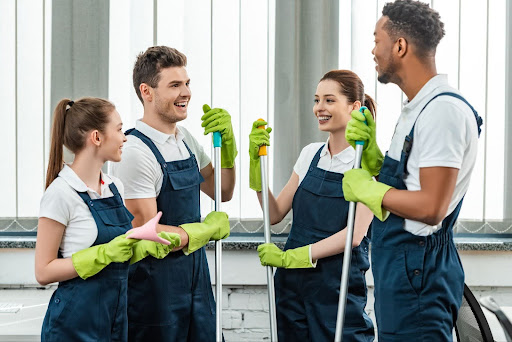
Hiring a professional cleaning company ensures that cleaning, disinfecting, and sanitizing are done effectively using the right products and techniques. Professionals follow public health standards, reducing the spread of infection and keeping workplaces safe.
For both routine maintenance and deep cleaning after illness, professional cleaning companies offer specialized expertise, efficiency, and strict adherence to public health codes. They employ trained staff who use industry-proven methods and environmentally responsible products to maintain high standards of hygiene and safety.
Benefits of Hiring a Cleaning Company
- Expertise and Proper Cleaning Methods: Professionals know the difference between cleaning, disinfecting, and sanitizing and use the best products to remove impurities from surfaces and eliminate dangerous bacteria.
- Consistent and Thorough Cleaning: A cleaning company follows a cleaning schedule, ensuring high-touch surfaces, kitchen counters, and public restrooms are regularly cleaned, reducing the risk of infection and improving workplace hygiene.
- Time and Cost Efficiency: Outsourcing cleaning services saves businesses time and money by reducing staff workload. Professional cleaners use the best cleaning supplies and disinfection products for efficient, high-quality cleaning.
How to choose the right commercial cleaning company in Quebec
Hire Professional Commercial Cleaners in Quebec
At AA Ménage Plus, we have been providing exceptional commercial cleaning services for over 30 years. Our family-run business is known for its trustworthiness, integrity, and efficiency.
With a dedicated team of carefully vetted and professionally trained commercial cleaning professionals, we deliver consistent, high-quality results with attention to detail. Each project is overseen by experienced supervisors who ensure our services are reliable, thorough, and aligned with your expectations. We are committed to upholding the highest standards of cleanliness and tailoring our work to meet the unique needs of your business!